

The Hidden Problem: Why Your Internal Plumbing Mechanism Matters
When upgrading a bathroom or kitchen, focus often stays on the outer look, finish, and spout shape of the new fixture. Yet the outer look forms only one part of the choice. The internal plumbing mechanism, specifically the core that controls water flow, forms the true heart of any tapware. This hidden component decides how smoothly the handle turns, how well the temperature adjusts, and how long the unit lasts before leaks start. Clear knowledge of the options on the market helps homeowners and facility managers pick lasting items instead of swapping parts every few years.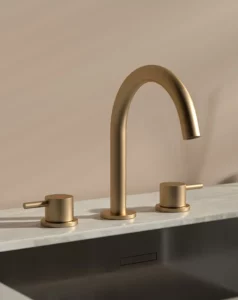
The Cost of a Leaky Fixture
A slow drip from a bathroom basin may look like a small issue. Still the drip wastes thousands of gallons of clean water each year when it occurs once per second. The waste raises utility bills and adds strain on local water systems. In nearly all cases a dripping spout or leaking handle base comes from a failing internal core.
How Valve Types Affect Hardware Lifespan
Materials inside the core shape how long tapware lasts. Each turn of the handle creates friction and pressure shifts. Older materials such as rubber and neoprene wear down quickly. Steady pressure flattens, cracks, or hardens these soft parts over time. Hard water adds mineral buildup like calcium and magnesium deposits on rubber seals and speeds up damage. Newer friction-resistant materials cut the need for frequent repairs and keep performance steady from day one.
Four Common Faucet Valve Types Explained
1. Ceramic Disc Valves
This approach now sets the standard for high-grade fixtures. It delivers strong reliability in homes and commercial sites alike.
How It Works
Two highly polished fired ceramic plates rest one atop the other inside the cylindrical core. The lower plate stays fixed in position. The upper plate connects directly to the handle. Engineers place precise holes in both plates. When the handle is turned, the top plate slides across the bottom plate. Alignment of the holes permits water passage through the spout. In the closed position the solid section of the upper plate blocks the holes in the lower plate. This action forms a tight watertight seal. No excessive force becomes necessary for closure.
Pros and Cons
Long service life stands out as the main gain. Fired ceramic resists daily wear and hard-water scale. Leaks stay rare and the effort to operate stays low. A rare crack from debris in the line requires full cylinder replacement, yet such events happen seldom.
2. Cartridge Faucets
Cartridge designs fit both single-handle and double-handle faucets and appear at many price levels.
How It Works
A hollow cylinder made of plastic or brass forms the core. In single-handle models the cartridge rises to set flow volume and turns to mix hot and cold supplies. O-rings keep water inside the lines and away from the handle base.
Pros and Cons
Repair stays simple. A leak calls for the removal of the old cartridge and insertion of a new one. A minor drawback is that standard plastic cartridges may not offer the same decades-long lifespan as sintered ceramic alternatives, though brass variants are highly durable.
3. Ball Valves
This older design first served single-handle kitchen sinks and still appears in some settings because of its straightforward action.
How It Works
A slotted metal or plastic ball rests above spring-loaded rubber seals. The handle connects directly to the ball. Movement of the handle rotates the ball and lines up slots with hot and cold inlets to set temperature and flow.
Pros and Cons
Wide handle motion and good temperature control form clear strengths. Many small parts exist though. Springs, rubber seats, and O-rings rely on compression, so leaks appear more often than in cartridge or ceramic disc valves.
4. Compression Valves
As the oldest style still sold, compression valves appear in older homes, vintage work, or low-cost utility sinks.
How It Works
Two separate handles each hold a threaded brass stem with a rubber washer fixed by a screw. Turning the handle lowers the stem and presses the washer against a metal seat to stop the flow.
Pros and Cons
New washers cost very little. Yet a strong force is needed to seal the washer fully. Constant crushing against metal shortens washer life and raises repair frequency.
Quick Comparison: Finding the Right Mechanism
| Mechanism Type | Durability Rating | Maintenance Level | Handle Compatibility | Best Application Context |
| Ceramic Disc | Excellent | Very Low | Single and Double | High-end residential, modern kitchens, commercial |
| Cartridge | Good | Low | Single and Double | Standard residential upgrades, guest bathrooms |
| Ball | Moderate | Moderate | Single Only | Utility sinks, traditional kitchen setups |
| Compression | Low | High | Double Only | Vintage restorations, outdoor utility taps |
Decision Guide: Choosing the Right Tapware Core
Which Option is Best for Home Use?
Homeowners want easy daily use and steady performance. A single-handle model with a modern cartridge or ceramic disc works well in busy family kitchens. One hand or even an elbow can start the water and set the temperature. Master bathrooms that favor double-handle looks benefit from current fixtures that place ceramic disc technology under classic cross handles. The look stays traditional while daily care stays low. Checking how far the present handle turns helps match a replacement to existing habits.
Best Choices for Commercial and High-Traffic Bathrooms
Commercial sites face constant heavy use. Strong internal cores cut downtime and water damage risk. Fixtures such as the 73 series EMPOLO AMBER collection basin mixer fit these needs. High-grade ceramic disc parts sit inside solid brass bodies. Smooth handle action and tight seals continue even after hundreds of daily uses. Long-term facility management costs and emergency plumbing calls drop as a result.
Standard internal parts across all restrooms simplify upkeep. Units with easy-to-reach replacement cartridges let staff finish repairs quickly. EMPOLO fixtures meet exact performance standards and give contractors and owners reliable results. It is always recommended to review the specific traffic volume of a facility before specifying the plumbing hardware, ensuring the chosen technology aligns with the expected daily wear and tear.
We’ll be at the Shanghai New International Expo Centre (2345 Longyang Road) for the 30th Kitchen & Bath China from May 26 to 29—come by booth W2A48 and let’s catch up in person to walk through our latest updates.
Frequently Asked Questions
Q: What types of faucet valves are most durable?
A: Ceramic disc valves lead in durability. Fired ceramic plates reach a hardness near diamond level. No rubber washers exist to wear away, so friction and mineral scale cause little harm over many years.
Q: Which faucet valve type is best for home use?
A: Ceramic disc valves and modern cartridge designs suit most homes. They provide effortless operation, requiring only a very light touch to adjust water flow and temperature, which is highly practical for busy households with children or elderly members.
Q: How do I know what type of bathroom faucet valve I have?
A: A quick test works. Multiple full turns are needed to stop the flow point to a compression system. A quarter or half turn to full flow indicates ceramic disc valves or a modern cartridge design.
Q: Are ball valves better than cartridge valves for a kitchen faucet?
A: While ball mechanisms were the standard for single-handle kitchen applications for many years, modern cartridge systems generally offer easier maintenance. Ball systems contain multiple small springs and rubber seals that can degrade and cause leaks over time, whereas a cartridge can typically be swapped out as one single, convenient piece when repairs are needed.
Q: How do single-handle and double-handle faucets differ in valve types?
A: Single-handle fixtures usually operate using a ball, cartridge, or ceramic disc mechanism that mixes hot and cold water simultaneously within one central chamber. Double-handle fixtures used to depend on two separate compression mechanisms, though most modern double-handle designs have been upgraded to use individual hot and cold ceramic cartridges for smoother, quarter-turn operation. For a detailed comparison, explore this guide on single vs. double handle faucets.