

Selecting the right faucet for your home remodeling project goes far beyond merely picking a shape or a style that catches your eye. The surface treatment selected determines not only the visual appeal of the area but also the lasting quality,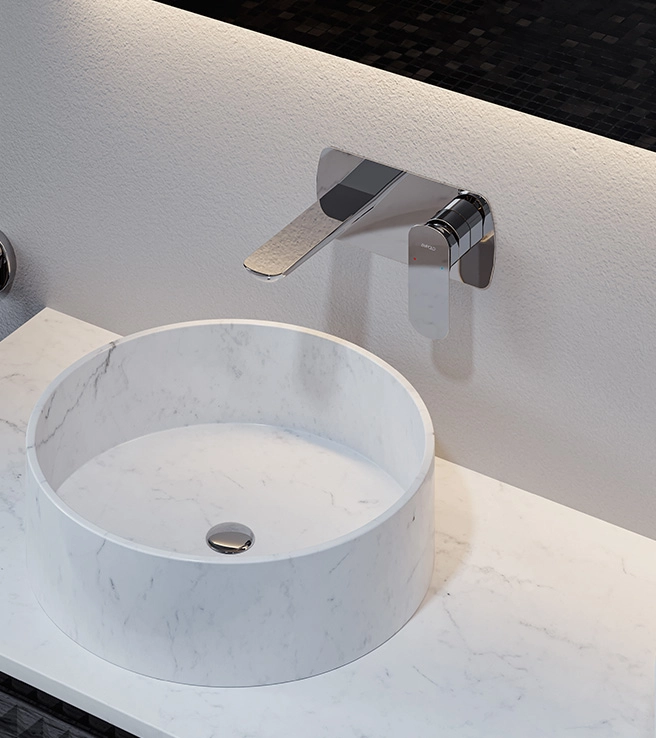 upkeep needs, and general cleanliness of plumbing fixtures. Homeowners and interior designers frequently find themselves caught in a dilemma when trying to decide between a striking Polished Chrome model and a durable Stainless Steel Faucet for their daily residential needs. This detailed guide examines the specific details of these materials. The guide helps readers grasp distinct features, production methods, and everyday performance standards. By the conclusion of this thorough comparison, readers will possess a solid grasp of which surface treatment fits well with personal routines, cleaning practices, and design goals.
1. Understanding Faucet Finishes: Polished Chrome vs Stainless Steel
Before starting a direct comparison, understanding what these terms really indicate from a production and material science viewpoint remains essential. The words applied in the plumbing sector can sometimes create confusion. One describes a plating method while the other identifies a complete metal mixture.
What is a Polished Chrome Finish?
This specific surface treatment consists of a thin layer of chromium electroplated onto a base metal. In superior plumbing fixtures, the base metal usually consists of solid brass. Solid brass supplies structural strength and protection from corrosion throughout the interior. The electroplating process includes several stages. These stages often begin with a layer of copper. The stages continue with a layer of nickel. The stages finish with the chromium layer. This careful process creates a mirror-like and strongly reflective surface. The surface has served as a standard in both classic and current design for many years. The bright shine reflects light in an attractive way. The shine makes smaller areas seem brighter and more spacious. The finish delivers a neat, precise, and bold look. This look works very well with modern, simple, or industrial decor styles.
What is a Stainless Steel Finish?
Unlike the strongly reflective counterpart, this choice usually forms a complete alloy. The alloy includes exact amounts of steel, chromium, and nickel. Because the material forms an alloy, the substance stays the same from the outside all the way through instead of acting as a surface layer placed onto another base metal. Most fixtures employ either 304 or 316 grade alloys. These grades earn recognition for strong resistance to rust and oxidation. In appearance, these fixtures generally show a brushed or satin texture. The surface stays mildly subdued. The surface takes in light instead of sending it back with great intensity. This brushed texture supplies the fixture with a comfortable, refined, and somewhat industrial appearance. The appearance mixes smoothly into transitional, rustic, and modern farmhouse settings. The consistent quality of the alloy ensures that physical traits stay the same. This quality delivers a thoroughly strong build. The build can handle demanding daily use in active households.
2. Core Difference Between Stainless Steel and Chrome Finish
To reach a well-informed decision, these materials must receive evaluation across several important categories. A careful review of core differences in regular use follows.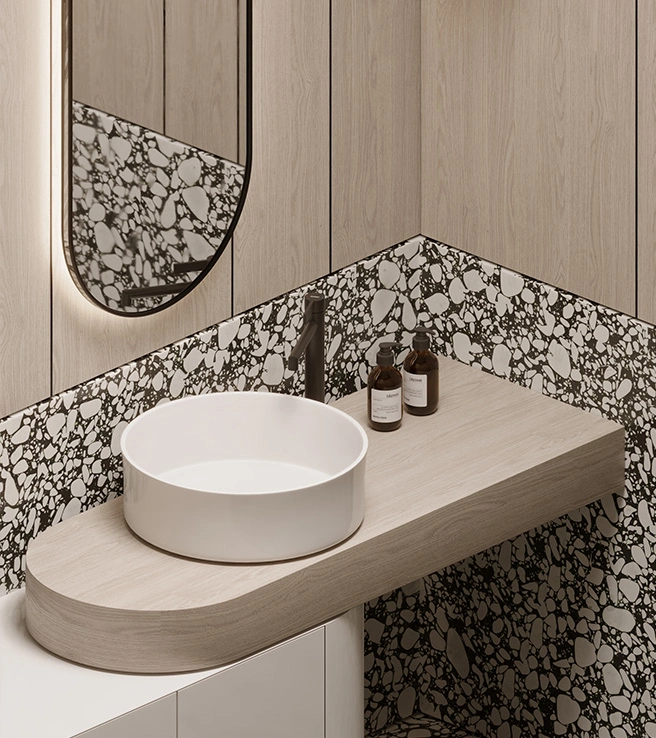
- Surface Texture: The electroplated choice supplies a smooth and mirror-like reflection. The alloy choice supplies a brushed, matte, or satin look.
- Visual Tone: The strongly reflective surface holds a cool and slightly blue undertone. The brushed alloy usually holds a warmer and slightly grey or earthy undertone.
- Material Structure: One forms an outer coating placed over a base metal. The other forms a complete and even metallic makeup from start to finish.
Durability and Scratch Resistance
When measuring long-term strength, the structural makeup serves a central function. The complete alloy build stays naturally tougher against physical force. Because the material remains even from start to finish, small scratches or marks do not uncover a different colored metal below. In truth, light surface scratches on a brushed alloy can be buffed with special abrasive pads at times. This action restores the original grain of the metal. In contrast, an electroplated surface stays very hard. The surface continues as a thin outer shell. While the surface fights off small scratches effectively, a heavy scratch or strong hit from a dropped pot or pan can break through the plating. Still, the surface involves plating, which means the outer look differs basically from the main material below it. But at EMPOLO, we use a top solid brass build with copper over 59% as the base. This strong brass heart makes the piece stay rust-free and build-solid for a full life.
Cleaning and Water Spots Prevention
Upkeep often becomes the main factor for busy homeowners. The impressive mirror shine of an electroplated fixture brings a notable disadvantage. The shine shows every fingerprint, water drop, and mark clearly. As water dries on the slick surface, mineral deposits remain. These deposits create very noticeable white spots. Keeping that perfect showroom shine calls for nearly daily wiping with a soft microfiber cloth. On the other hand, the brushed texture of the complete alloy works as a natural cover. The subdued surface naturally conceals fingerprints, small marks, and dried water spots.
Cost and Value
Budget always plays a part in home remodeling. Generally, electroplated fixtures cost less at the first purchase. The production method of placing a thin metal coating over a less costly base material has received high optimization and wide manufacturing. These steps keep retail prices competitive. The complete alloy fixtures usually call for a larger initial investment. The higher cost comes from the raw price of the materials and the machining needed to form solid metal blocks into graceful fixture designs.
3. Which Finish is Best for Your Specific Needs?
The final selection should match closely with the particular room setting, household activities, and personal limits for maintenance tasks.
Best for Bathroom Faucets and Shower Heads
Bathrooms create a special group of difficulties marked by high humidity, frequent temperature changes, and strong contact with soaps, shampoos, and cleaning chemicals. If a bathroom holds a very modern and attractive style and time can be given to keep surfaces bright, the bright shine of an electroplated surface will match nicely with glass shower enclosures and glossy tiles. However, for a master bathroom or a heavily used family washroom where low upkeep matters most, the brushed alloy choice works better. The brushed alloy will not display the unavoidable soap scum and water steam marks nearly as fast. This quality lets the bathroom stay acceptable even between thorough cleaning times.
Looking for an Alternative? Consider Copper or Brass Faucets
While silver-toned metals lead the market, these metals do not stand as the only high-quality choices offered. For those who want outstanding elegance, strength, and natural antimicrobial properties, examining premium solid brass options gives a refined alternative. High-end manufacturers apply refined brass to produce fixtures that act as real centerpieces in a room. For example, the 61 series EMPOLO ALBA collection shows how premium brass materials can improve a bathroom space. This collection applies top-tier construction methods. These methods guarantee outstanding lasting quality while supplying striking visual appeal. The appeal adds warmth and luxury to both current and classic interior designs. Selecting a solid brass foundation makes certain that plumbing fixtures stay strong against internal corrosion. At the same time, the fixtures present a timeless outer beauty.
4. Final Verdict: Making the Right Choice
Deciding between these two common choices finally depends on balancing personal design tastes with practical daily conditions. To combine the information given in this guide, think about the following clear decision steps.
- Assess cleaning tolerance. If daily wiping of sinks and showers creates a strong dislike, the brushed alloy serves as the best choice because of its spot-hiding capabilities.
- Evaluate interior design style. If a home includes high-gloss cabinets, glass decor, and modern clean lines, the mirror-like reflection of an electroplated surface will coordinate perfectly. If a home feels warmer with natural woods and subdued stones, the brushed metal fits better.
- Consider thebudget timeline. If a pleasing appearance is needed immediately at a lower cost, the plated choice performs well. If a forever home is under construction and budget space exists, investing in solid alloys or premium brass fixtures guarantees decades of smooth performance.
By thinking carefully about these elements in relation to specific household requirements, plumbing fixtures can be selected with confidence. These fixtures will improve daily activities and bring lasting value to a home.
FAQ
Q: Is chrome or stainless steel better for a kitchen faucet with hard water?
A: For homes handling a hard water supply, the brushed alloy generally serves as the better choice. The brushed alloy works much more effectively at concealing the white mineral deposits and water spots that hard water always leaves. In comparison, a highly polished surface will emphasize every mineral stain and demand ongoing wiping.
Q: What is the main difference between stainless steel and chrome finish?
A: The primary difference appears in both visual texture and material composition. One consists of a highly reflective and mirror-like thin plating placed over a base metal. The other consists of a uniform and complete metal alloy. This alloy usually shows a subdued, brushed, or satin surface texture. The texture takes in light rather than sending it back.
Q: What makes a polished chrome finish look more brilliant and luxurious than a stainless steel finish?
A: The primary advantage of a polished chrome finish is its unmatched aesthetic brilliance. Because it is electroplated, it achieves a perfectly flawless, mirror-like surface with cool, striking undertones that reflect ambient light beautifully. A brushed stainless steel finish absorbs light and can look somewhat muted or dark in low-light environments, whereas polished chrome instantly brightens up smaller bathrooms and kitchens, providing a high-end, glamorous focal point that remains a timeless classic in luxury interior design.
Q: Can I mix chrome and stainless steel taps in the same bathroom?
A: While interior design rules have grown more adaptable, placing a highly polished silver tone right beside a subdued and brushed silver tone inside the same room can appear unplanned and inconsistent. Keeping surface textures uniform inside a single enclosed space usually receives a recommendation for a unified appearance.