

A brushed brass faucet can make a bathroom or kitchen feel warmer and more refined than a highly reflective fitting. Yet the name alone does not reveal the body material, surface process, or long-term performance.
For homeowners, designers, distributors, and project buyers, the key question is not only whether the color looks attractive. It is whether reliable construction, internal components, testing, and support stand behind it.
Why Brushed Brass Faucets Look Simple—but Are Easy to Misjudge
Is Brushed Brass a Material or a Finish?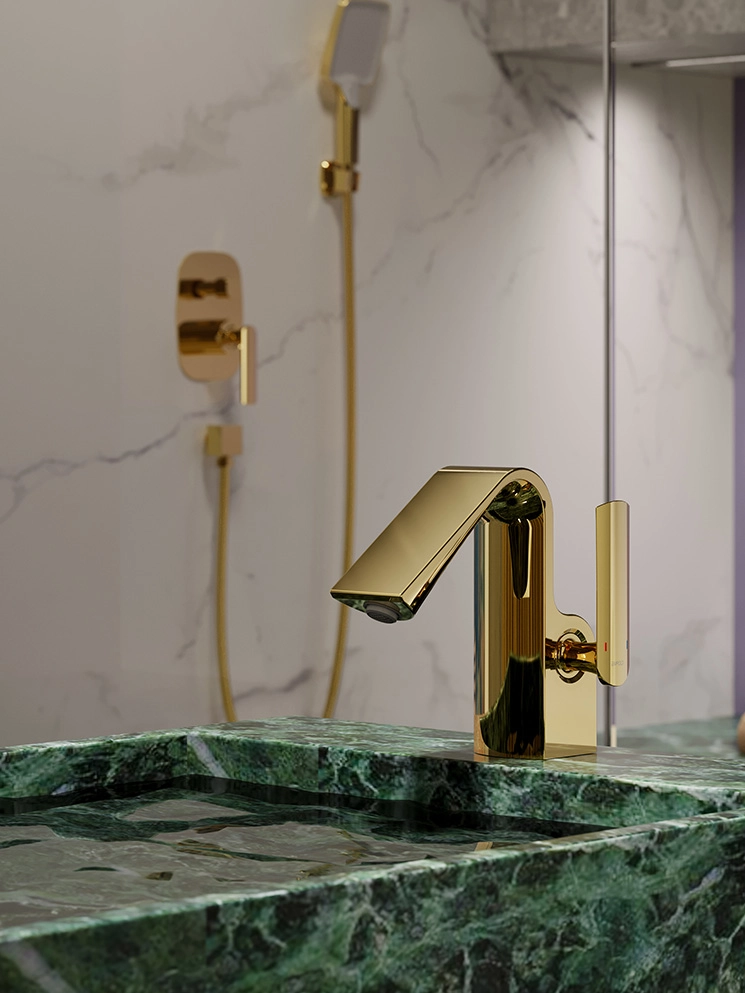
The term “brushed brass” points to the outer color and texture. It does not define the actual base material. For instance, a fixture might feature a solid brass faucet body covered by a special coating. Alternatively, it could use a cheaper metal underneath a brass-colored surface.
Always ask your suppliers to clarify these four specific details:
- Body and inner water channels
- Materials used for handles, spouts, and extra parts
- The exact surface treatment method
- Any clear protective top layer
The main body determines how strong and rust-proof the item is. Meanwhile, the outer coating dictates the final look. It also affects how you clean the item and how well the color holds up.
Why Two Brushed Brass Faucets Can Look Different
You will not find one single, universal shade for this color. One sample might look bright and yellow. Another might seem muted, slightly brown, or similar to champagne gold. These variations happen for several reasons. The base metal, the amount of polishing, and the brushing direction all play a part. The chemical coating and the final protective layer change the look too. Furthermore, room lighting alters how we see the color next to white marble, dark tiles, or warm wood.
You need physical samples to create a perfectly matched bathroom. Put the basin mixer, shower controls, hand shower, and drains side by side. Do the same with your towel bars and other items. Online product pictures help during the early planning stages. However, they remain too unreliable for final color decisions.
Brushed Brass vs. Other Brass Faucet Finishes
Brushed Brass vs. Polished Brass Faucets
The main difference is surface character rather than basic function. When comparing a brushed brass vs polished brass faucet, you will notice distinct traits.
| Consideration | Brushed brass | Polished brass |
| Appearance | Soft, directional grain | Bright, mirror-like shine |
| Fingerprints | Usually less visible | More noticeable |
| Small scratches | Often visually softened | Can catch reflected light |
| Design effect | Contemporary, understated | Formal, decorative |
| Routine care | Gentle wiping and drying | Frequent wiping for a spotless look |
A busy family bathroom works best with a less shiny surface. On the other hand, a fancy guest powder room might look stunning with a polished finish.
Brushed Brass vs. Unlacquered Brass Faucets
Unlacquered brass acts as a living surface. Daily exposure to air, tap water, and natural skin oils changes the metal. Your cleaning habits also help build a unique patina over time. Because of this, the color will never stay completely even.
A protected brushed finish is intended to retain a more controlled tone. Buyers should confirm whether it is sealed, plated, PVD-treated, or intentionally left unprotected.
Brushed Brass vs. Brushed Gold and Champagne Bronze
Marketing materials often mix up these color names. However, you should never treat them as the exact same thing. Brushed gold normally looks much brighter and more yellow. Meanwhile, champagne bronze carries a softer beige or light brown undertone.
Follow a strict approval process for large, multi-product orders:
- Ask the supplier for one main master finish sample.
- Compare this piece against every single product category.
- Look at all items under the actual lighting planned for the building.
- Write down the approved color code or keep the physical sample safe.
- Check the production batch to ensure the colors match perfectly before shipping.
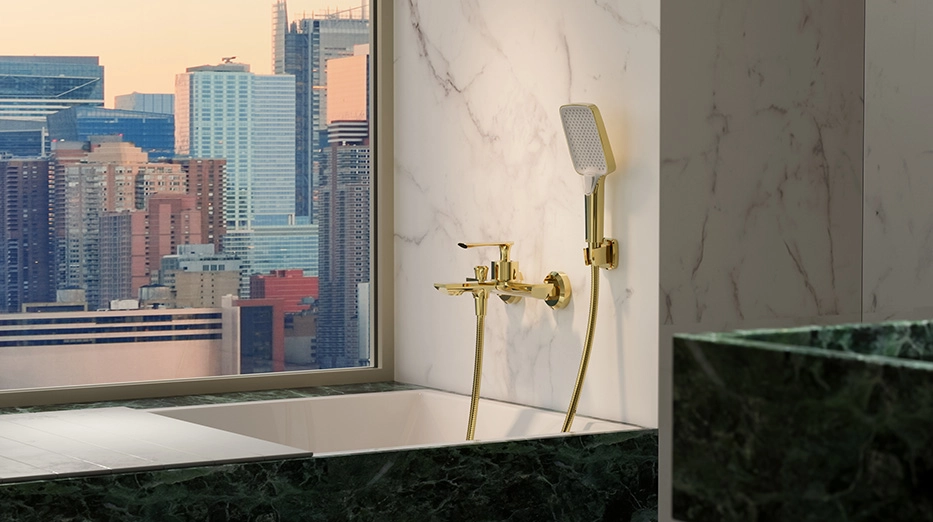
What Makes a High-Quality Brushed Brass Faucet?
Solid Brass Body vs. Brass-Colored Plating
A brass-colored faucet does not automatically mean you are getting a solid brass faucet. You must check each part separately. Look closely at the main body, the inner water channels, and the spout. Do not forget to inspect the handles, the mounting brackets, and the hidden valves.
Solid brass faucets are popular because the metal provides excellent strength. It is easy to machine, and fights rust well in wet bathrooms. Even so, buyers need to check the exact metal mix. You must ensure the lead content meets local legal rules. A good spec sheet will list the material for every major part. Remember, a “brass finish” only tells you how the item looks, not how it is built.
PVD, Electroplating, Lacquer, and Finish Consistency
Electroplating adds thin metal layers onto a prepared base. PVD relies on a special vacuum chamber to apply a tough, decorative layer. Lacquer acts as a clear shield to protect the brushed metal from direct air and water.
No coating stays perfect without basic care. The long-term performance relies heavily on good surface prep and strong coating adhesion. Factory process control and thorough testing matter immensely. Always check your samples around the joints and handle bases. Look closely at the screw threads and bottom edges. Uneven spray jobs show up easily in those hidden spots. For large B2B orders, agree on a clear limit for color differences. Always review random samples from the actual production run.
Cartridges, Aerators, Testing, and Certifications
A beautiful exterior cannot hide bad internal parts. The inner cartridge controls the water flow and the heat. The front aerator shapes the water stream and limits splashing. Buyers must also check the supply hoses and the mounting brackets. Confirm the water pressure limits and review the factory’s leak test reports. Make sure spare parts exist and that the item passes local plumbing laws.
At EMPOLO, we build solid brass faucets, shower sets, and bathroom hardware using strict in-house methods. Our factory handles the raw casting, precise CNC cutting, and smooth polishing. We also manage the plating, final assembly, and strict testing. Our quality control team runs intense pressure and water leak tests. Depending on the exact model, our fixtures use reliable Sedal or ceramic cartridges. Our product portfolio holds important global certificates. These include cUPC, WaterMark, WELS, SASO, and TIS for various international markets.
How to Choose the Right Brushed Brass Faucet
Match the Faucet to the Room, Sink, and Usage
Always start by checking your installation space, rather than picking a color first. Verify the correct mounting style and the sink hole layout. Check the plumbing pipes, the counter thickness, and the overall room space.
If you have a tall vessel bowl, choose a brushed brass basin mixer with the right height. Measure the spout reach so the water hits the drain center without splashing everywhere. For a standard undermount sink, ensure you have enough room to wash your hands comfortably. A brushed brass kitchen faucet needs a long reach to handle large pots and daily washing chores. Shower setups require careful planning too. You must match the main mixer valve, the diverter, the hidden wall box, and the showerheads.
Check Water Conditions, Maintenance, and Replacement Parts
Hard tap water leaves white mineral crusts on every type of metal. This chalky buildup usually forms around the tip and the bottom base.
Follow this simple daily care routine:
- Wipe the metal with clean water and a very soft cloth.
- Apply mild soap only when the dirt gets stubborn.
- Rinse off all the soap completely.
- Dry the metal right after washing it.
- Stay away from rough scrubbing pads, harsh bleach, and strong acids.
Before you buy anything, ask the seller about spare parts. Find out if new cartridges, aerators, and hoses will stay in stock for years. Easy repairs truly define the long-term value of your investment.
From Product Selection to Project Sourcing: Working with EMPOLO
Product Range, Quality Control, OEM/ODM, and Project Support
At EMPOLO, we supply items for homes, hotels, and large commercial buildings. Our catalog features a brushed brass bathroom faucet line, kitchen taps, and complete shower systems. We offer hidden wall valves, exposed pipes, and safe thermostatic mixers. We also provide matching brushed brass bathroom accessories. These extra items include towel bars, robe hooks, glass shelves, and toilet paper holders.
We gladly help distributors, property developers, and custom brand owners. Our team handles special design requests, new tooling, and perfect color matching. We can print your logo and design custom retail boxes. Our complete factory setup gives us total control over every production step. Furthermore, our stock of spare cartridges and aerators guarantees easy future repairs.
Project sourcing example: when a hospitality buyer needs one finish across guest-room faucets, shower fittings, and accessories, we begin with product matching and finish approval before confirming branding, packaging, compliance, and production requirements. This reduces late-stage mismatch and establishes a standard for future replenishment.
Please browse our online tap and shower catalogs. You can also contact our sales team to talk about our beautiful brushed brass finishes. We are ready to discuss matching hardware and your specific OEM/ODM business needs.
FAQ
Q: Does a brushed brass faucet tarnish over time?
A: That strictly depends on the outer coating. Bare, unlacquered metal turns dark and builds a natural patina over time. Conversely, a protected brushed brass finish keeps a steady, clean look. You must ask the seller if the item is clear-coated, plated, PVD-treated, or left totally bare.
Q: How do you clean a brushed brass faucet without damaging the finish?
A: Always use a gentle cloth, warm water, and a mild liquid soap. Make sure to rinse the tap well and dry it with a towel. Never use rough sponges, heavy bleach, or strong acids. Avoid harsh chemical cleaners unless the factory says they are safe.
Q: What is the difference between brushed brass and polished brass faucets?
A: A brushed brass faucet features a soft, matte texture with visible lines. This duller style hides daily fingerprints and tiny water spots quite well. On the other hand, polished metal looks highly reflective and bright. However, that shiny style requires constant wiping to stay beautiful.
Q: Is a brushed brass faucet suitable for hard water?
A: Yes, it works fine. However, hard water leaves white chalky marks on the metal and around the front nozzle. You must clean and dry the tap regularly to stop this thick buildup. Always check the factory manual before applying any strong acid to remove the crust.
Q: How do B2B buyers choose a brushed brass faucet manufacturer?
A: Check several things before picking a brass faucet manufacturer or a specific brushed brass faucet manufacturer. Look at the raw metal quality, the surface prep work, and the color evenness. Inspect the inner valves, the nozzles, and the factory leak tests. Review their legal certificates, their total output capacity, and their custom design skills. For large building projects, always demand physical color samples for every single tap, shower pipe, and wall hook.