

1. The Core Problem: Why the Right Faucet Handle Matters for Your Project
Impact on Space Efficiency and User Experience
Choosing water fixtures for commercial or residential projects goes beyond appearance. Handle design shapes, daily use, repair schedules, and layout plans. When planning large developments, review how much deck space remains available around the sink. A single lever faucet needs only one hole. This choice frees up room on small counters in powder rooms or hotel bathrooms.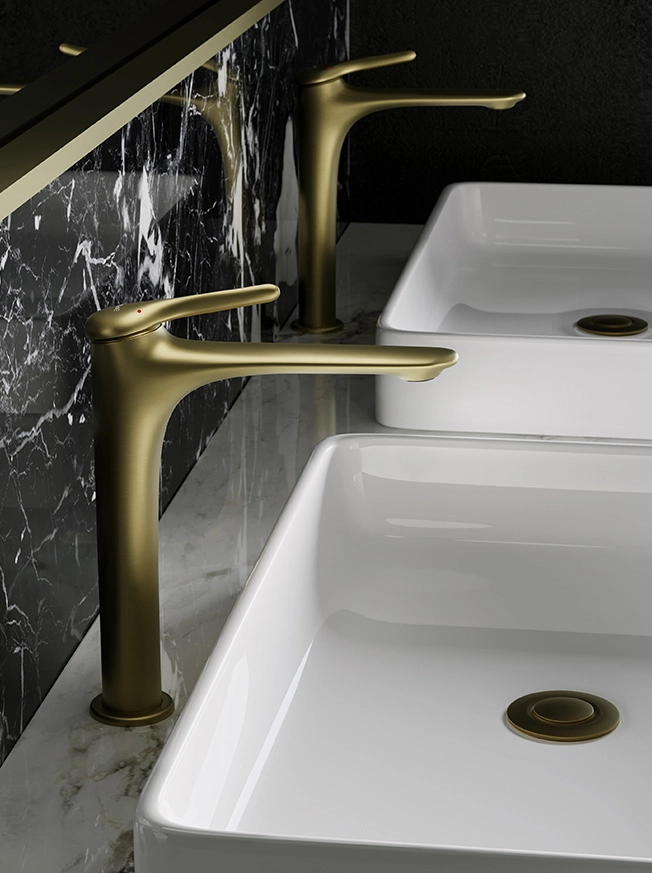 Dual-knob widespread faucets need three holes and require wider tops. Daily use also changes with each option. Clear temperature control matters in busy locations where people want quick access to suitable water temperature. Review available counter space first. Then measure daily traffic before completing any purchase list.
ADA Compliance and Commercial Restroom Requirements
Accessibility rules form a required part of commercial builds. The Americans with Disabilities Act states that controls must work with one hand and need no tight grip, pinch, or wrist twist. Single lever faucets meet these rules because users operate flow and temperature with one simple motion. Two-handle models with cross handles can create difficulty for users who have limited hand movement. Public buildings and inclusive homes benefit when fixtures follow these rules. This approach lowers legal exposure and supports every user. Check local codes and speak with compliance staff to confirm each fixture meets standards.
2. Single Handle Faucets: Mechanics, Pros, and Cons
Key Advantages: Streamlined Design and Easy Operation
A single lever mixer uses one cartridge to blend hot and cold lines. The cartridge lets users set temperature and pressure in one motion. The design gives a clean look that fits modern rooms. Fewer parts also mean fewer gaps where dirt collects. Cleaning staff spend less time on upkeep. Developers who want faster installs and lower ongoing care gain from this layout. Set a simple cleaning routine that uses the smooth surfaces to cut labor expense over months and years.
Potential Drawbacks in Temperature Control
A single lever sometimes gives less exact temperature settings. Reaching the right balance between hot and cold may need small repeated moves. Systems with changing pressure can cause sudden heat changes from a light touch. Both lines connect to one cartridge, so a cartridge fault requires full replacement and causes loss of use until the repair is completed. Specify models that include temperature limit features. Keep spare cartridges in stock to limit downtime.
3. Double Handle Faucets: Mechanics, Pros, and Cons
Key Advantages: Precise Temperature Control and Classic Aesthetics
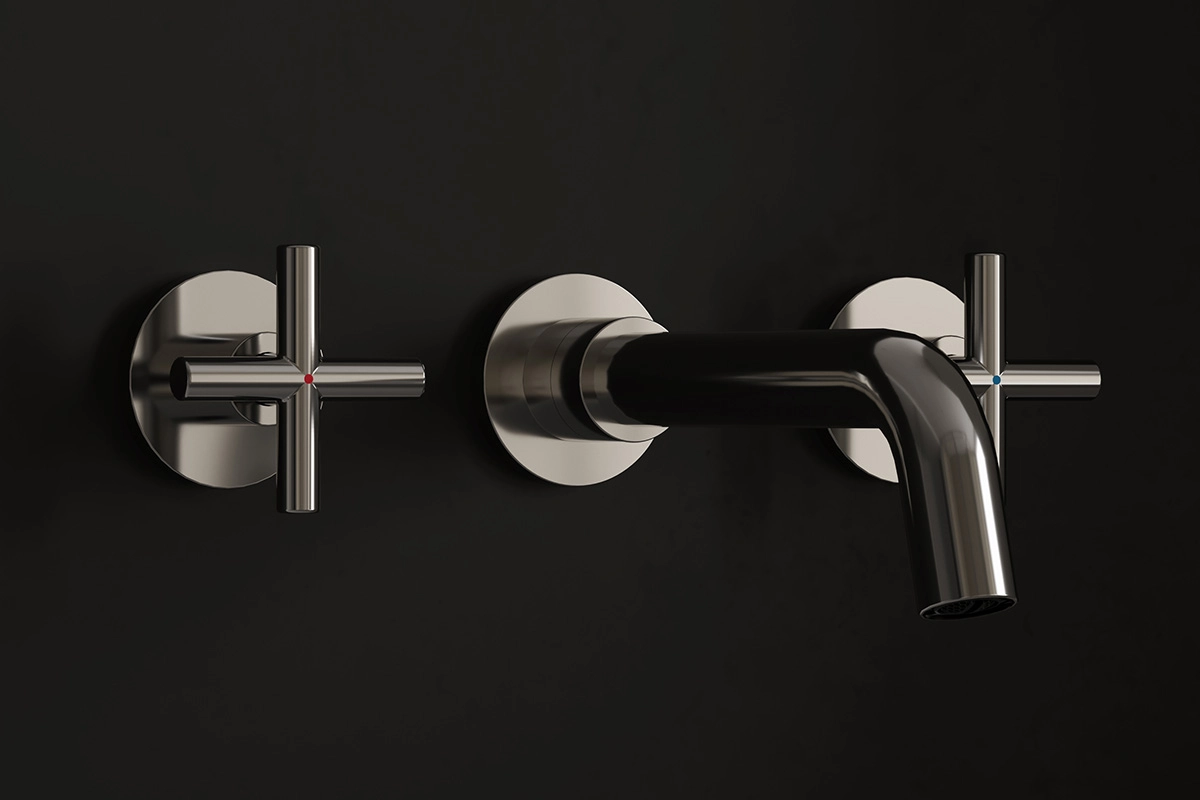
Two-handle faucets have separate valves for hot and cold supplies. Separate valves let users adjust the mix with high accuracy. This precision suits tasks such as shaving or face washing. The balanced layout adds classic style to the basin. These models often stand out in luxury bathrooms, older building restorations, or upscale hospitality spaces that seek a traditional feel. If one valve leaks, the second valve can still run. Use this classic style in heritage projects to match the building’s history.
Potential Drawbacks: Installation Complexity and Maintenance
Widespread models add steps during building and installation. Materials such as porcelain, quartz, or stone need three accurate holes. Extra holes raise labor time and increase the chance of surface damage. Two valves create twice the seal points that can fail. Maintenance staff must clean around multiple bases to stop mineral marks. Project leads should plan for higher install costs and more frequent checks. Share exact hole measurements with plumbing teams early to avoid delays.
4. Technical Comparison: Valve Types and Commercial Durability
Ceramic Disc Cartridges vs. Compression Valves
The valve type determines the lifespan and reliability of any faucet. Older dual-knob faucets often use compression valves with rubber washers. These washers wear from friction and cause drips. Current single lever faucets use ceramic cartridges. Each cartridge holds two polished ceramic plates that slide to control flow. The Sedal valve core from Spain resists wear and keeps performance drip-free for years. Commercial sites gain when faucet fixtures include these cartridges such as EMPOLO because replacement calls drop.
The table below helps compare valve options.
| Feature | Compression Valves | Ceramic Disc Cartridges |
| Common Configuration | Dual knob designs | Single lever models |
| Internal Components | Rubber washers | Two polished ceramic plates (e.g., premium Sedal valve core imported from Spain) |
| Mechanism | Relies on friction, causing components to degrade over time | Plates slide against each other to regulate water flow |
| Lifespan & Reliability | Prone to wearing out, eventually leading to dripping | Superior resistance to wear and tear; ensures long-lasting, drip-free performance |
| Commercial Application | Higher maintenance due to frequent degradation | Ideal; significantly reduces the frequency of replacements and service calls |
Evaluating Long-Term Maintenance Costs and ROI
Purchase choices should review the total ownership cost instead of only the first price. Water-saving aerators and strong cartridges lower utility and repair costs across the life of a building. Follow these steps to improve return on investment.
- Check core material. Faucets made from solid brass with copper above 59 percent resist corrosion and internal rust.
- Confirm certifications. Products should carry cUPC, WaterMark, WELS, SASO, or TIS marks to confirm safety and efficiency.
- Review warranty coverage. Choose products that offer five years on the body and two years on the ceramic cartridge.
- Verify spare part supply. Work with makers that stock parts long-term, so small issues do not force full replacement.
These steps create a consistent procurement plan that supports both financial and operational targets.
5. The Decision Matrix: Choosing Between Single vs. Double Handle Faucets
Best Applications for High-Traffic Public Facilities
Public restrooms, malls, and office buildings need fixtures that handle constant heavy use while staying clean. Single lever models or sensor faucets work well here. Easy operation, ADA fit, and simple cleaning help staff manage large crowds. Fixtures that pass 100 percent pressure and leak tests add stability and cut service calls. Efficient aerators also support sustainability goals and keep users comfortable.
Best Applications for Luxury Hotels and Residential Projects
High-end hotels and custom homes often focus on design story and guest experience. The choice depends on the interior style. Two-handle fixtures give a balanced, classic look. Designer single lever mixers suit modern or bold spaces.
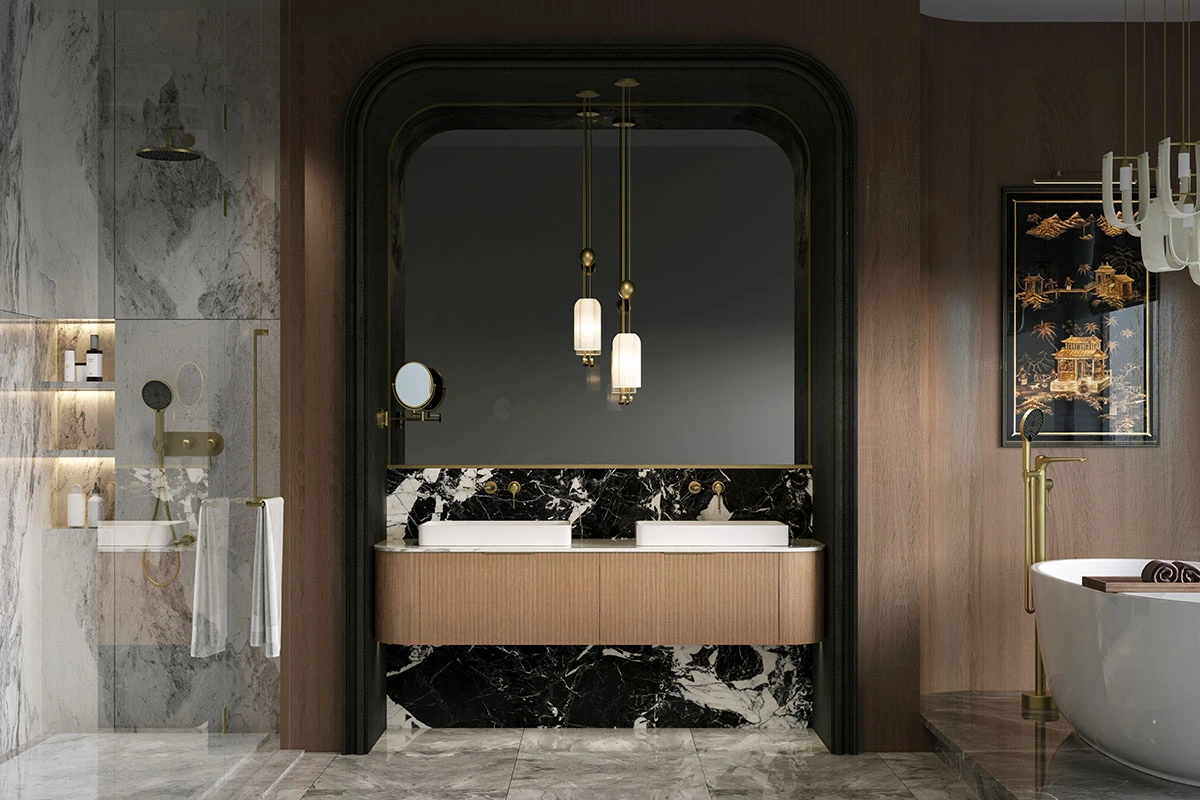
One example is the EMPOLO brand ALBA collection from the 61 series. Architect Dott. Arch. Itamar Harari, who graduated from the University of Florence in Italy and opened a Milan studio in 1992, created the series. The collection reflects the feel of a Northern Italian sunrise. Model 61 1101BG is a single lever basin mixer in brushed gold finish. The mixer uses solid brass, a Sedal cartridge, and a 50 cm stainless steel hose. It combines clean design with reliable performance.
6. Frequently Asked Questions
Q: Are single-handle faucets more reliable than double-handle faucets?
A: Reliability depends on valve quality more than handle count. Faucets with strong ceramic disc cartridges from Spain last many years, whether they have one or two handles. Solid brass bodies add further protection against rust. Review the specification sheet to confirm these materials before purchase.
Q: Which is easier to install: single-handle or double-handle faucets?
A: Single lever faucets need only one hole and install faster. This speed helps large hotel or apartment buildings, where time affects cost. Dual-handle widespread faucets need three holes and require more careful drilling. Ask installation crews to check mounting kits before work begins.
Q: Do double-handle faucets use more water than single-handle faucets?
A: Water use depends on aerator flow rate, not handle number. Eco aerators and efficient cartridges control flow in both styles. Confirm WaterMark or WELS certification to meet project sustainability targets.
Q: Can I replace a double-handle faucet with a single-handle faucet?
A: Replacement is possible. Cover extra holes with a deck plate to create a clean surface. New vanity tops also allow a full change to a single-hole layout. Assess the current counter condition to choose the best visual and cost outcome.
Q: What is the best choice between single-handle and double-handle faucets for ADA compliance?
A: Single lever mixers meet ADA rules most directly. Users operate the flow and temperature with one hand, requiring no tight grip or twist. Check exact dimensions and force limits against local accessibility rules to confirm full compliance.