

Selecting the right fixture for a kitchen remodel or a large-scale commercial project involves more than choosing an attractive design. Homeowners, interior designers, and B2B procurement specialists must consider how the construction of a fixture affects its service life, care needs, and overall value.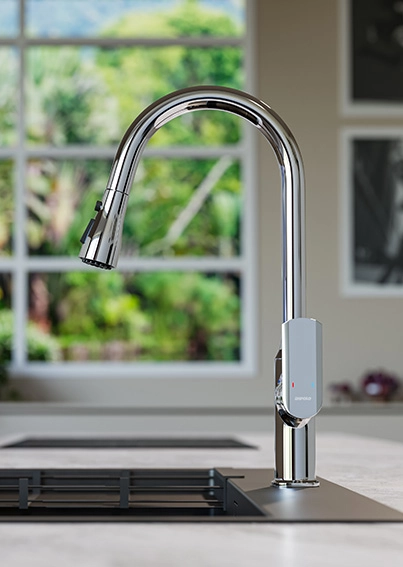 Buyers who review the market often encounter discussions about base materials and surface treatments. One frequent area of uncertainty involves the difference between the interior core and the exterior finish, especially when comparing heavy-duty copper alloys to modern steel alloys. This guide removes marketing language and examines the metal facts, performance measures, and visual options of these two main production substances. Knowledge of the basic traits of each choice helps buyers reach decisions that match both practical needs and design goals.
1. Understanding Kitchen Faucet Materials: Core vs. Finish
Before a direct comparison, a clear separation must exist between the actual build of a fixture and its outward appearance. Many buyers assume that a shiny, mirror-style surface points to one specific base metal. In truth, the production field applies separate methods for forming the inner part and covering the outer part.
What is a Solid Brass Kitchen Faucet?
A solid brass kitchen fixture forms from a high-grade mixture made mostly of copper and zinc. This base substance has served as the top choice in plumbing production for many years because of its notable ability to shape and strong protection against high heat. Since the mixture holds no iron, true rust cannot form in the alloy. Producers choose this base since the material supports exact building, even inner water paths, and detailed outer patterns. This copper mixture also acts as a fine base for different surface applications. Producers can add strong and attractive coatings such as polished chrome, brushed nickel, or matte black.
What is a Stainless Steel Faucet?
Different from the copper and zinc mixture noted earlier, stainless steel forms as a mixture of iron, carbon, and a large share of chromium. The chromium creates an unseen, self-repairing oxide cover on the surface that fights against dulling and breakdown. In the production field, fixtures built from this substance often stay without extra coating. The main substance simply receives brushing or polishing to become the final outer layer. This approach produces a consistent industrial look that holds high value in certain practical settings.
2. Solid Brass vs. Stainless Steel: The Ultimate Comparison
To decide on the top substance for kitchen faucets, a review of both choices must occur across several key performance areas. Each substance responds in its own way to regular use, water conditions, and production limits.
Below appears a short side-by-side summary:
| Material Core | Rust Potential | Casting Flexibility | Ideal Finishes |
| Premium Copper Alloy | Zero iron content | Extremely high | Polished chrome, brushed gold, matte black |
| Chromium Steel Alloy | Highly resistant | Low to moderate | Brushed steel, polished steel |
Durability and Lifespan
In checks of long service, both substances rate very well, yet each stands out in certain aspects. Heavy-duty copper mixtures earn praise for their solid build and mass. These mixtures manage sharp shifts between very hot and very cold water without changes that might lead to inner valve leaks. The substance stays thick enough to support many years of regular operation without loss of quality. Steel mixtures, by contrast, feel harder and show strong defense against dents and heavy marks. Still, the great hardness of steel can raise challenges during internal machining at times. This hardness explains why premium copper mixtures continue as the favored option for detailed inner valve housings.
Corrosion and Rust Resistance
Breakdown serves as the main threat to any plumbing fixture. Traditional copper mixtures hold no iron, so chemical rust cannot develop in the alloy. Complete protection exists against the red oxidation that harms lower iron-based metals. Even if the outer coating sometimes displays marks from hard water after poor care, the inner build will never suffer rust damage. Steel mixtures also resist oxidation well, thanks to their chromium content. Yet in places with very high salt levels or extended contact with strong cleaning agents like chlorine, lower grades of steel may show small holes or surface breakdown.
Design Flexibility and Finishes
From a production and visual standpoint, the copper and zinc mixture supplies a great range. Because the metal stays softer before final setting, the material pours easily into forms to produce decorative, shaped, or very clean geometric patterns. Reports from high-end hotel builds often note that interior designers select this base substance since the material accepts electroplating without trouble. Whether a project calls for a bright reflective surface or a brushed champagne shade, the base substance supplies ideal sticking quality. Steel, on the other hand, proves hard to form into detailed shapes. As a result, steel fixtures usually show simpler, more rounded, and industrial patterns. Producers seldom add other colors through plating.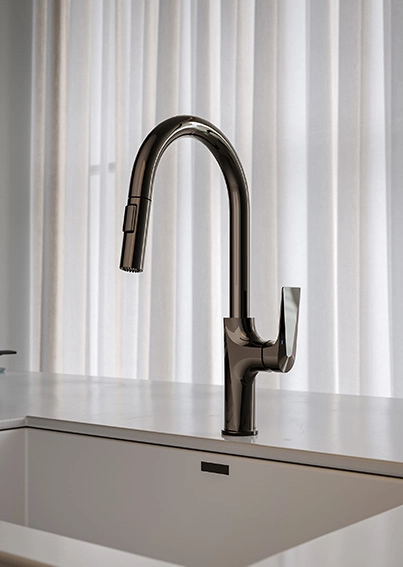
3. Why the Best Chrome Kitchen Faucets Have a Brass Core
One widespread wrong idea in the plumbing market holds that chrome stands as a complete building substance. In fact, chrome works as a tough outer plating. When buyers look for the finest reflective fixture, the real goal involves the combined strength of a high-grade inner core and an advanced electroplated outer layer.
The Bonding Process: Why Chrome Adheres Better to Brass
The electroplating method needs a fully smooth and chemically open base. Quality production follows a step-by-step plating sequence. First, the raw copper alloy body receives polishing to reach a perfect state. Then a nickel layer goes on to guard the core and create a connection surface. Last, the chromium layer receives electroplating over the top. The metal traits of the copper-zinc alloy let these layers join at a molecular scale. This joint stops the surface from lifting, coming off, or forming bubbles as time passes. The outcome appears as a bright, mirror-style surface that strongly resists dulling and normal marks.
Health and Safety
Current rules tightly control the substances used in drinking water systems. Today, trusted producers apply special lead-free copper mixtures to deliver full safety and meet worldwide plumbing standards. This technical progress ensures that water moving through the fixture stays clean and free of unwanted elements. Steel stays naturally free of lead, which makes the material safe for drinking water use, too. In the end, provided the fixture comes from a certified and high-grade producer, both substances deliver excellent health and safety levels.
4. How to Choose the Right Faucet for Your Project
The choice between these two strong substances comes down to the exact use, the desired interior design look, and the project’s spending limit.
When to Choose Stainless Steel
Fixtures built fully from steel work very well for outside kitchens, industrial commercial kitchens, and work sinks. The natural uncoated surface helps hide fingerprints and watermarks. This surface suits places where looks matter less than basic, practical performance. Also, for homeowners who want an exact match with brushed steel appliances, a brushed steel fixture creates a smooth visual link.
When to Choose Solid Brass with Chrome Finish
For top residential kitchens, luxury apartments, and small commercial areas, the mix of a premium copper alloy core and a reflective plated surface stands without equal. This mix supplies the solid, high-grade weight that users expect from quality hardware. The mix also supplies a bright look that improves the whole space.
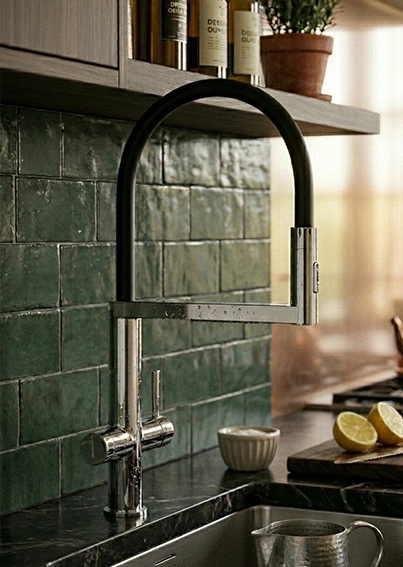
For example, the 73 series EMPOLO AMBER collection shows the highest level of this substance combination. In particular, Product 73 2101 serves as a single-lever kitchen mixer in chrome color, made with a brass body and a Sedal cartridge. This pattern guarantees lasting inner performance through its premium cartridge and thick core. At the same time, the design supplies the refined, reflective look that modern architectural spaces require. The strong forming abilities of the base substance support exact ergonomic handle movement and a graceful spout shape that harder steel substances cannot copy easily.
5. Frequently Asked Questions (FAQ)
Q: Is solid brass better than stainless steel for a kitchen faucet?
A: In many cases, yes. A premium copper alloy core proves very durable. The core manages hot and cold temperature changes very well. The core also shows a lower chance of inner leaks as years pass. When paired with high-quality plating, the core supplies both better inner strength and a refined, visually flexible outer surface. This surface fits easily into higher design plans.
Q: Do chrome-plated brass kitchen faucets rust?
A: No, the core material holds no iron. The inner structure, therefore, cannot rust. While the bright reflective surface may develop water marks or dullness after contact with strong cleaning chemicals, a basic routine of wiping the surface with a soft, damp cloth will maintain the fixture in new condition for years. This routine carries no risk of structural loss.
Q: Why are solid brass faucets usually more expensive than stainless steel?
A: This heavy-duty copper alloy counts as a premium raw substance. The alloy calls for skilled production steps such as exact casting, forging, several polishing phases, and careful electroplating. This work-heavy method creates a heavier, more lasting product. The product allows wide visual customization. Wide customization makes the item a valuable long-term choice for careful buyers.
Q: Which faucet material is safer for drinking water?
A: Both substances are fully safe when produced to current regulatory standards. High-quality fixtures that use copper alloys receive special design to meet lead-free rules. This design keeps drinking water completely safe for the family. Steel mixtures stay naturally free of lead. Steel mixtures also supply a very safe and clean path for drinking water.